Comfrey Seeds Guide: Planting and Growth
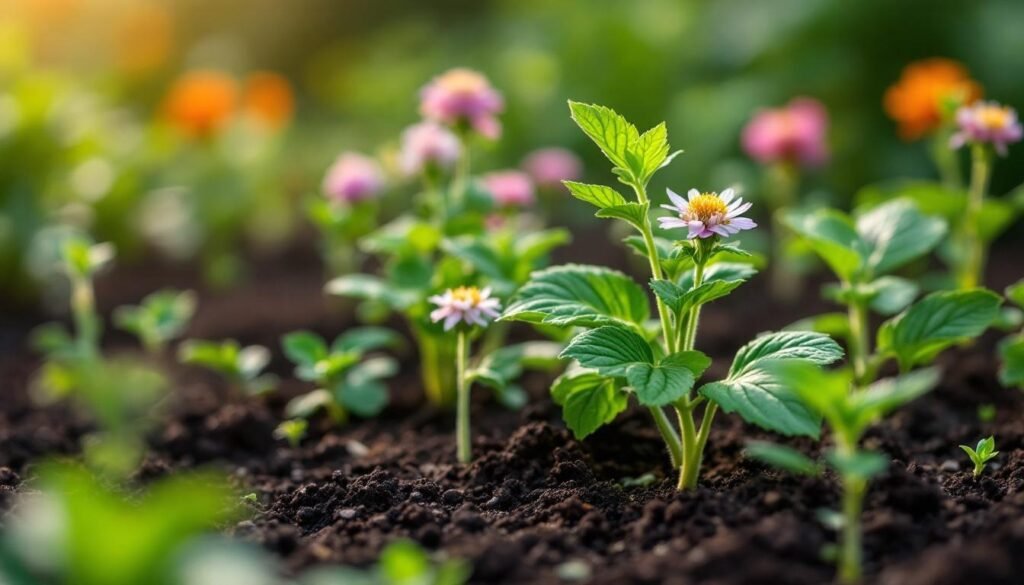
Comfrey is a remarkable plant valued for its rapid growth, nutrient-rich leaves, and traditional medicinal uses. Gardeners and herbalists alike prize comfrey for its ability to improve soil health and provide natural remedies. Starting comfrey from seed can be a rewarding experience, but it requires some patience and the right approach to ensure success.
Understanding how to plant and grow comfrey from seed opens the door to cultivating a versatile plant that benefits both your garden and your wellness routine. This guide covers everything you need to know about comfrey seeds, their uses, and practical steps to grow healthy plants.
What Are Comfrey Seeds Used For
Comfrey seeds serve as the primary means of propagation for those who want to cultivate this hardy perennial from scratch. While comfrey can also be propagated through root cuttings or divisions, starting from seed allows gardeners to grow multiple plants simultaneously and experiment with different varieties.
Beyond propagation, comfrey seeds are often collected and saved for future planting or shared among gardening communities. This helps preserve genetic diversity and ensures a steady supply of plants for various uses. Some gardeners prefer seeds because they can be stored for several years if kept in a cool, dry place.
Comfrey itself is widely used as a green manure and compost activator. Its leaves are packed with nutrients like nitrogen, potassium, and calcium, which, when composted, enrich the soil. Additionally, comfrey is used in organic gardening to create nutrient-rich liquid fertilizer, often called “comfrey tea.” The plant’s deep roots mine minerals from the subsoil, making it a natural soil enhancer.
How to Grow Comfrey From Seed
Growing comfrey from seed requires some patience, as germination can be slow and uneven. However, with proper preparation and care, you can establish vigorous plants that will thrive for years.
Start by selecting a well-draining site with full sun to partial shade. Comfrey is adaptable but prefers rich, moist soil. Before planting, prepare the soil by loosening it and incorporating organic matter like compost to improve fertility and texture.
Comfrey seeds have a tough outer coating that can slow germination. To improve success rates, soak the seeds overnight in warm water before sowing. This softens the seed coat and encourages quicker sprouting. Sow seeds about ¼ inch deep, spacing them roughly 12 inches apart to allow room for growth.
Keep the soil consistently moist but not waterlogged during the germination period, which can take anywhere from 2 to 4 weeks. Germination rates vary, so sow extra seeds to ensure enough seedlings emerge. Once seedlings develop a few true leaves, thin them to the strongest plants, maintaining proper spacing.
Young comfrey plants benefit from regular watering and occasional feeding with a balanced organic fertilizer. Mulching around the plants helps retain moisture and suppresses weeds. Comfrey is a heavy feeder, so providing nutrient-rich soil supports its rapid growth.
After the first growing season, comfrey plants become quite resilient. They develop deep roots that help them survive drought and poor soil conditions. Comfrey can spread aggressively if unchecked, so consider planting it in a contained area or using root barriers to control its expansion.
Harvesting comfrey leaves can begin once the plants reach about 1 to 2 feet tall, typically in the second year. Cut leaves at the base, leaving the crown intact to encourage regrowth. Regular harvesting promotes bushier plants and prevents flowering, thereby reducing leaf quality.
Patience is key when growing comfrey from seed. While it may take a season or two to establish a mature plant, the long-term benefits make it worthwhile. Once established, comfrey becomes a low-maintenance, perennial powerhouse for any garden focused on sustainability and natural health.