Modern Calm: The Evolving Culture of Wellness and Ease
For generations, the definition of “wellness” seemed straightforward: eat, move your body, and rest. In the present day, wellness has taken on an even larger and more individual nature.
People no longer measure wellness based on their body’s appearance or capacity; rather, wellness is measured by how our minds feel, how we recover, and how we find stillness amidst chaos.
People are shifting and developing their definitions of healthiness. Wellness is not a prescribed checklist anymore; it is a daily practice of balance and uncomplicated. People are adopting mindfulness apps, herbal tea, breath work, and some modern relaxation contemporaries to slow down & tune in.
This seems to be in quiet rebellion towards disconnecting from overstimulating life’s hectic sanity. Today, we will have a closer look at this evolution and what the modern calm is all about.
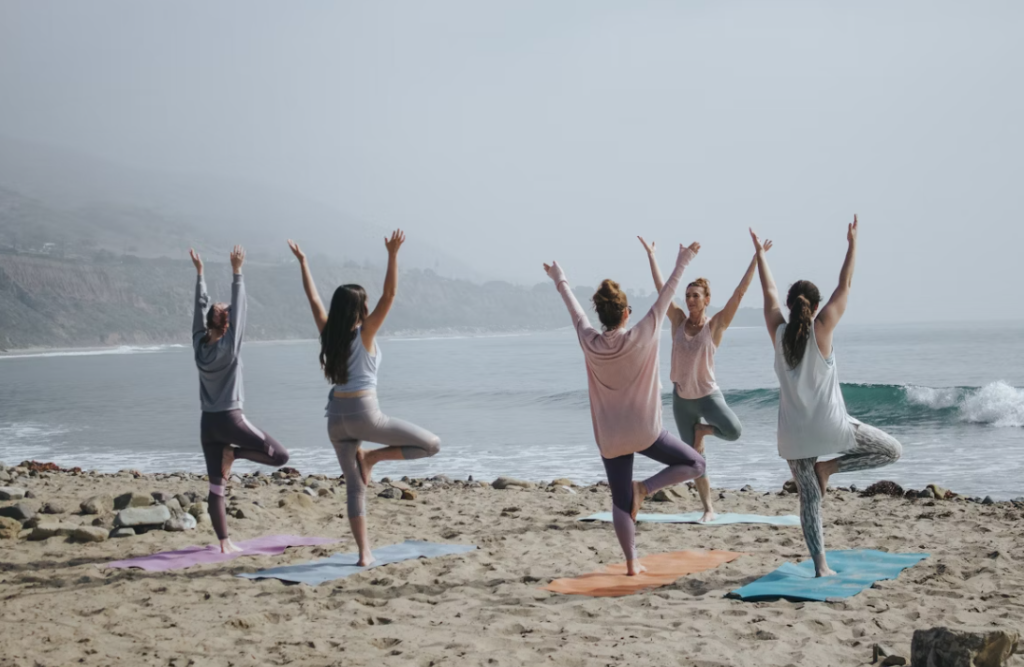
The Shift Toward Mindful Living
Nowadays, an increasing number of people acknowledge that being healthy starts from within. Mental and emotional health has finally been given due regard in the definition of wellness when we classify it into the larger wellness category of fitness, nutrition, and mental well (emotional or spiritual well-being).
It is not about striving for perfection; it is about making small, mindful decisions that nourish both mind and body. The goal is not to add another thing to your list of to-dos; it is to create space for you to pause, breathe, and reconnect.
- From Hustle to Harmony
The old story idolized “the grind”, including getting up early, working long hours, and not getting enough sleep. But after burnout, we learned that just because we are productive all day, it does not mean we are happy.
Nowadays, more people are adopting slow living: mindful mornings, breaks from screens, and time in nature.
Balancing ambition and peace is the new meaning of success. Health experts tell us that stillness is not wasted time. It is recovery time. The more we pair effort with rest, the better our minds work.
- The Rise of Everyday Wellness Rituals
Wellness is now a part of our everyday living, not in the way a fancy-food-type-of-holiday would be, but as a part of an everyday lifestyle.
- Whether intentional or incidental, even if it is a short meditation before bed, a gratitude journal, or even five minutes between meetings, these micro-moments matter.
- Rituals offer structure to our wellness. They help us remember to check in with ourselves when we are busy. And it does not always have to be conventional wellness.
Maybe someone prefers a cup of herbal tea in the evening, or a quiet walk, or a podcast, or even time unplugged from modern-day digital noise.
Some individuals even access a modern-day wellness gadget, specifically designed to help people pursue relaxation more easily, like the Yocan Magneto Vaporizer, which people use as a part of their stress-relief or aromatherapy routines.
The point is not the ritual, it is the mindfulness.
- Technology’s Role in a Calmer Life
Though once viewed as an enemy to peace, we are gradually reconceptualizing technology as a means towards balance.
- Meditating with apps, tracking our sleep patterns, and engaging in “digital detox” activities are helping us to stay stable and to feel like we have agency.
- Thriving communities in wellness spaces on the internet are emphasizing small habits (and consistent) that are flexible rather than aimed at rigid perfectionism.
It is noteworthy that technology is not detracting from mindfulness; instead, it is augmenting it. Devices and platforms that used to commandeer our mental space are now repurposed to direct our attention to better breath, improved sleep, and healthful habits.
- A Focus on Emotional Wellbeing
Increasingly, it seems more individuals are prioritizing therapy, journaling, and transparent dialogues when it comes to mental health.
- The stigma around emotional vulnerability seems to be fading into nothingness, as acceptance and understanding are taking its place.
- Wellness is no longer about looking well; it is about feeling well.
It is common now to hear people speak of setting boundaries, saying “no” instead of “yes,” and asking for help when they are in need. This emotional maturity signifies a massive cultural shift, one where strength and softness can finally coexist.
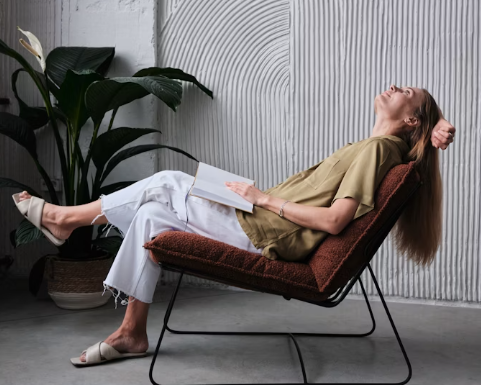
- Community and Connection in Wellness
Genuine wellness flourishes in relation to others. Individuals are finding peace not in isolation but in shared experiences.
- Through yoga circles, support groups, and community walks, individuals are finding the joy of being together again.
- By sharing in our progress, challenges, and small successes, we foster growth, accountability, and belonging.
Wellness communities invite us to remember we are in this together. Everyone is learning, unlearning, and growing alongside each other, one step at a time, one intentional act at a time.
Bottom Line
The concept of well-being has moved away from instant gratification toward mindful decisions. It takes ordinary actions that produce extraordinary results, to slow down, deepen your breath, and honor our minds as much as our bodies.
Modern-day calm does not mean to escape; it means to engage more intentionally. It is the deep breath before the meeting, a walk instead of scrolling, and journaling in the evening instead of worrying.
As we live in a new world of wellness and ease, the true aim is not perfection, but presence. The more we learn to live gently, the more strong and healthier we will be, inside and out.
FAQs
- How can I integrate more calm into my daily life?
Begin with small things; even 5 minutes of focused breathing, stretching, or stillness can help reset your busy mind.
- Why is emotional health part of health now?
The importance of mental balance and emotional resilience affects long-term physical health and happiness.
- How does community and connectedness improve well-being?
The support of the collective and communal layer of sharing improves motivation, reduces stress, and provides the important awareness that wellness is, in fact, a shared experience and not an individual journey.